
(April 2026)
At La Napoule, certain forms move through time by shifting registers, passing from play to sculpture, from experience to imagination.
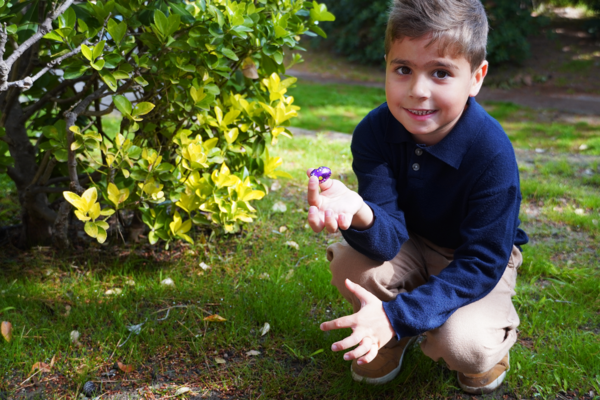
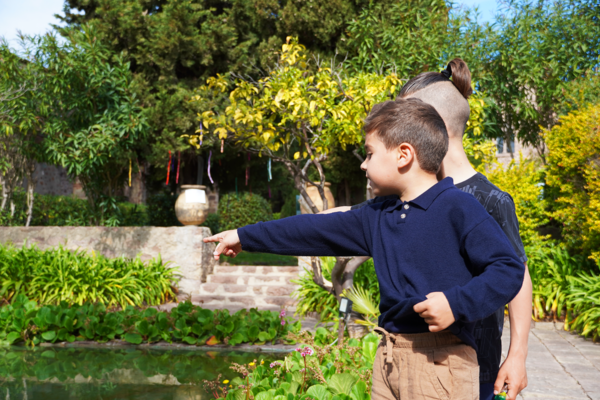
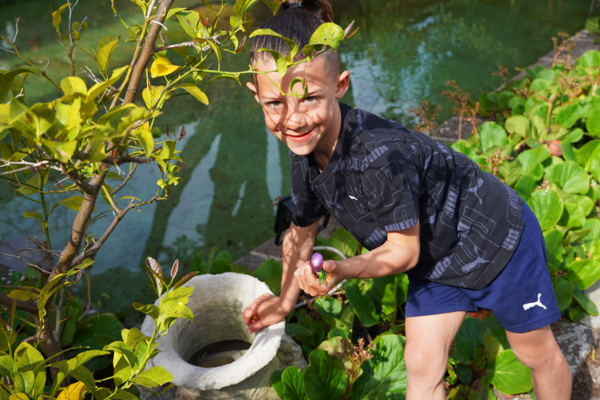
At the beginning of April, in the Château gardens, children wandered along the paths in search of eggs hidden throughout the landscape. To search, observe, discover: a way of relating to the place through movement, attention, and a form of instinctive curiosity.
In this gesture, the shape of the egg first appears as something self-evident. Simple, familiar, almost playful, yet carrying a deeper imaginary dimension.
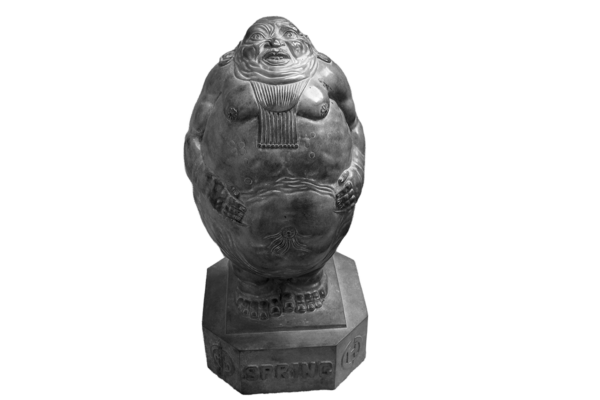
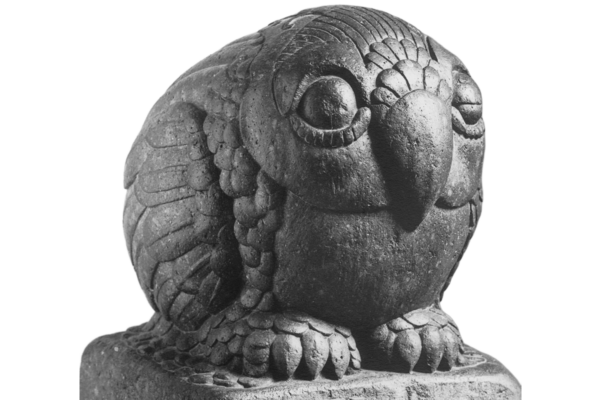
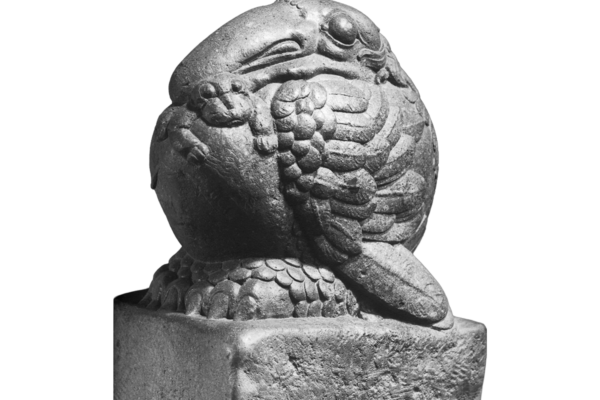
In Henry Clews’s work, this form occupies a singular place. It embodies an original form, both contained and in the process of becoming, one that runs through his sculptures either explicitly or more diffusely.
Between Play and Sculpted Imagination
His creatures, oscillating between protective figures and more mischievous presences, also seem animated by this tension between stability and transformation. The figure of Spring, with its rounded contours and apparent simplicity, offers a particularly evocative expression of this.
Between play and sculpture, between discovery and invention, form becomes a point of passage, a way of inhabiting the world as much as shaping it.
Gestures, Materials, Transformations
This idea of transformation continues to run through the practices that inhabit the Château today.
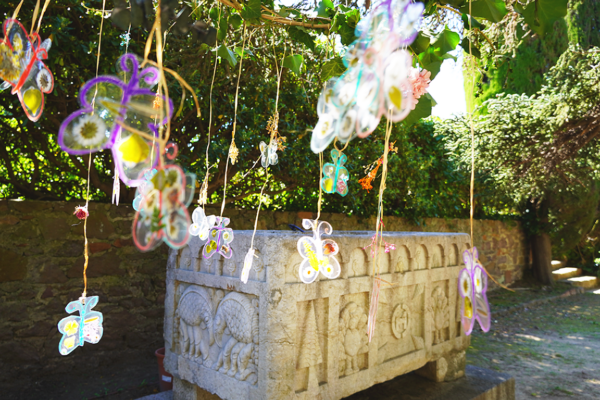
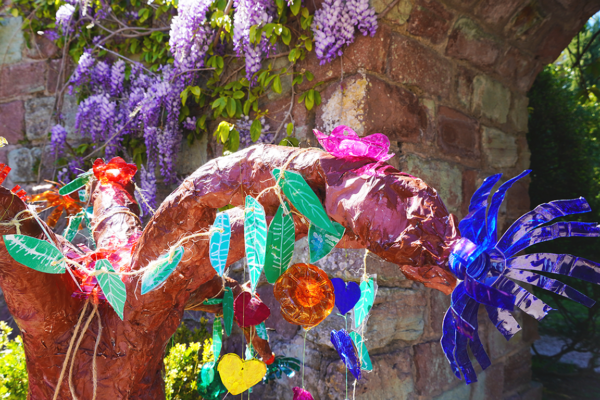
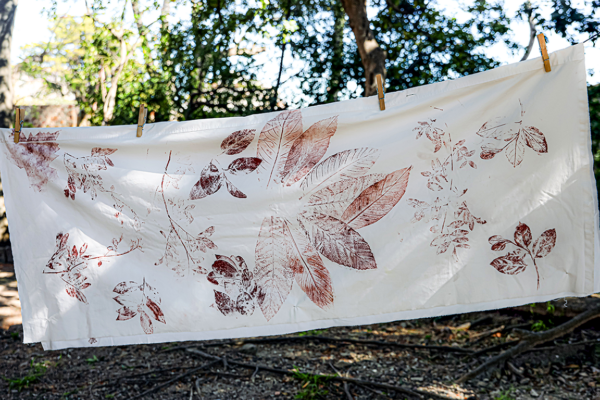
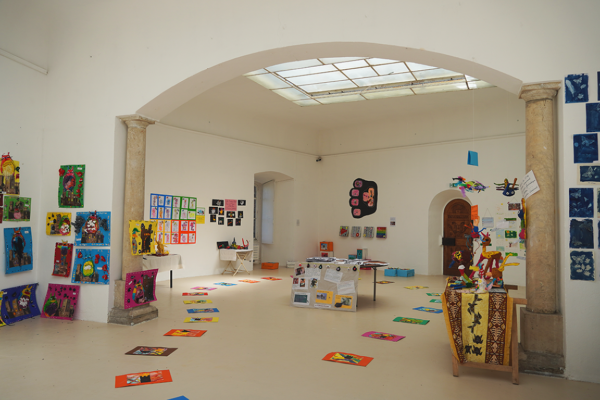
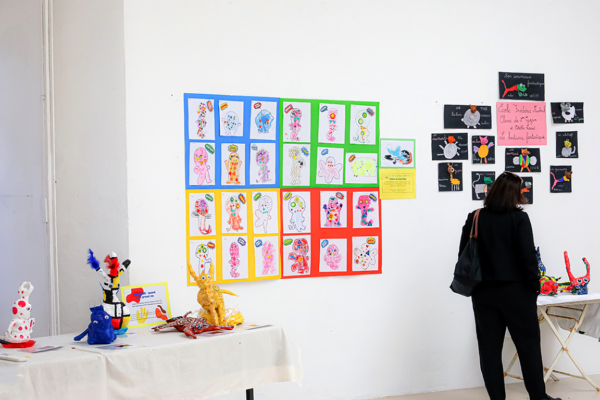
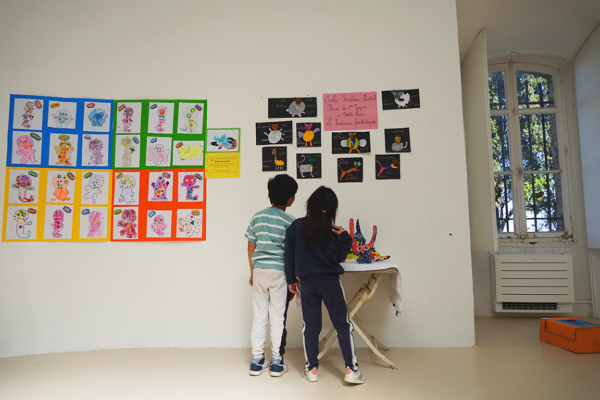
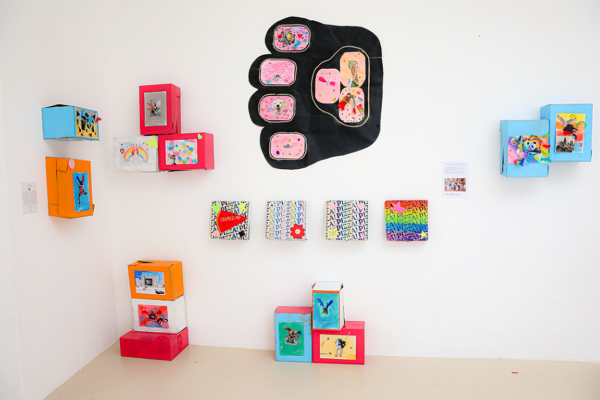
At the beginning of April, the gardens and several rooms hosted works created by students from the schools of Mandelieu and Théoule as part of the Festival des Arts pour les Écoles, whose theme this year, From Nature to Artwork, invited participants to explore the links between material, environment, and creation.
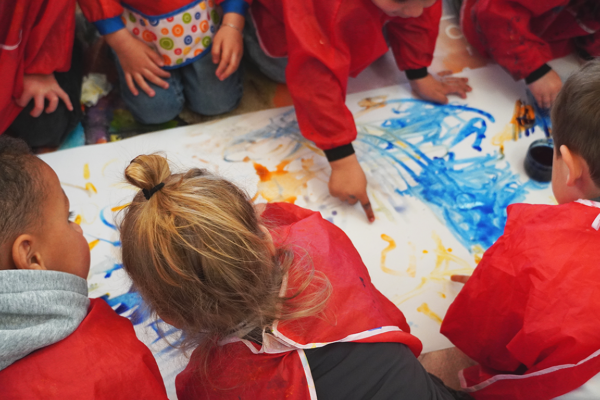
Through educational workshops led by the cultural mediators and a team of volunteers, the students experimented with natural pigments — turmeric, spinach, blue spirulina, beetroot, and red cabbage — transforming elements drawn from living matter into tools for expression.
Handling, observing, mixing, allowing forms to emerge: all these gestures express a direct experience of the passage between matter and image.
There is, in these practices, an evident proximity to artistic processes themselves: searching, trying, adjusting, beginning again. And sometimes, seeing something unexpected appear.
Circulation of Works, Circulation of Gazes
This dynamic of transformation and circulation also extends beyond the site itself.
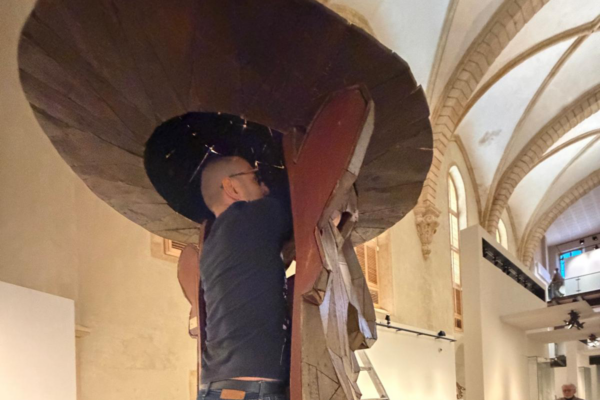
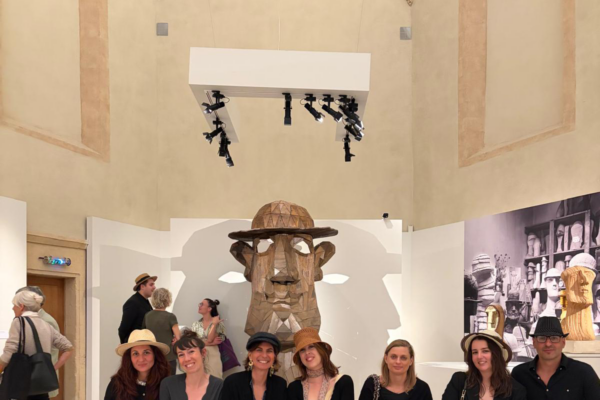
This April, Homme au chapeau no. 56 by Kosta Alex, a work held in the Foundation’s collection, is presented in the exhibition Coup de chapeau, organised by the musée Granet and the Fondation Planque at the Chapelle des Pénitents Blancs in Aix-en-Provence.
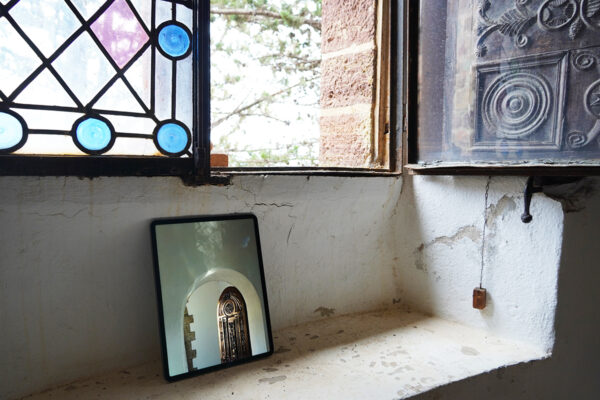
Moved, recontextualised, and seen differently, the work continues its existence in another space, in contact with other gazes. It continues to transform itself, not in its form, but in the readings it gives rise to.
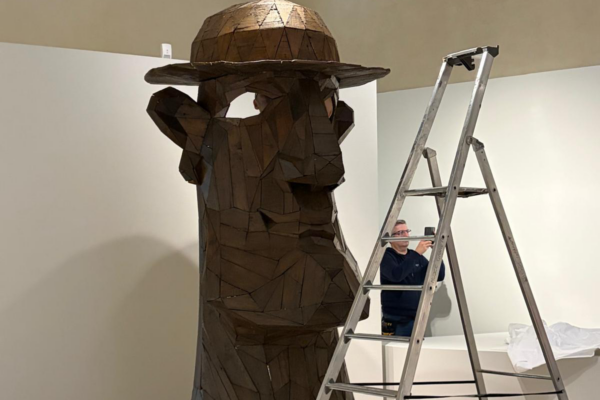 Installation of Homme au Chapeau No. 56 by artist Kosta Alex in the Chapelle des Pénitents Blancs, Aix-en-Provence
What Is Taking Shape Today
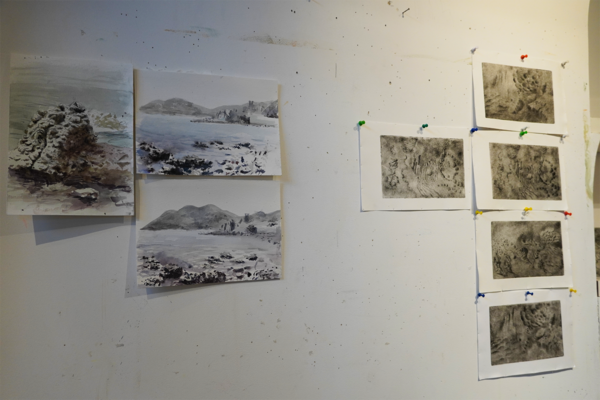
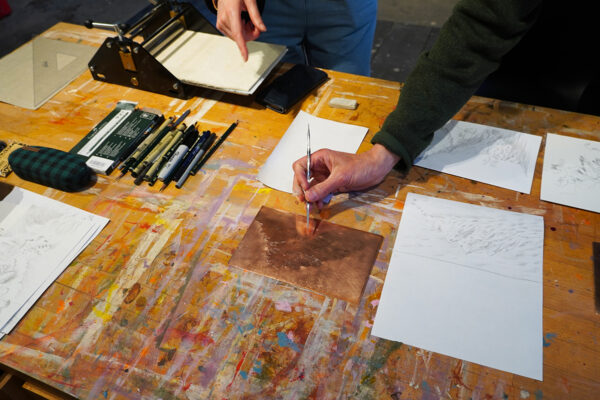
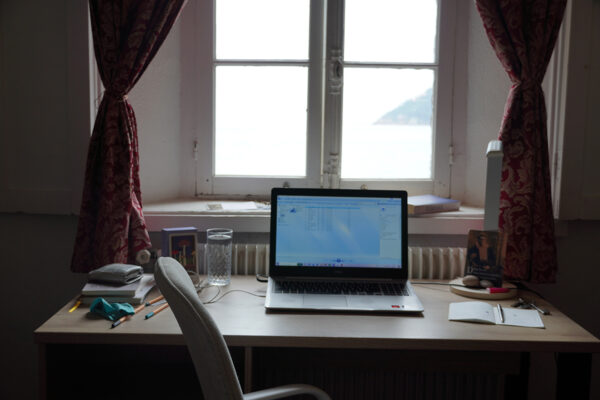
In the Château studios, a new Canadian spring residency began at the start of the month.
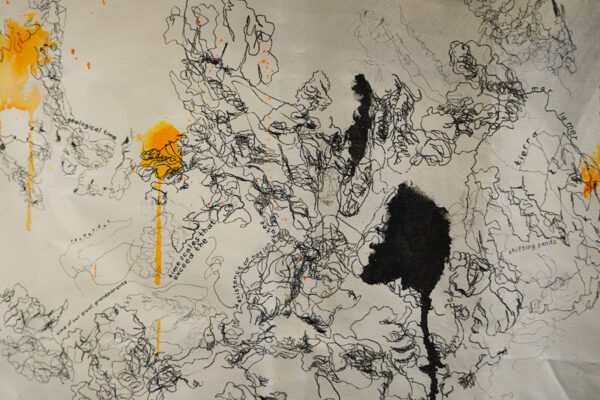
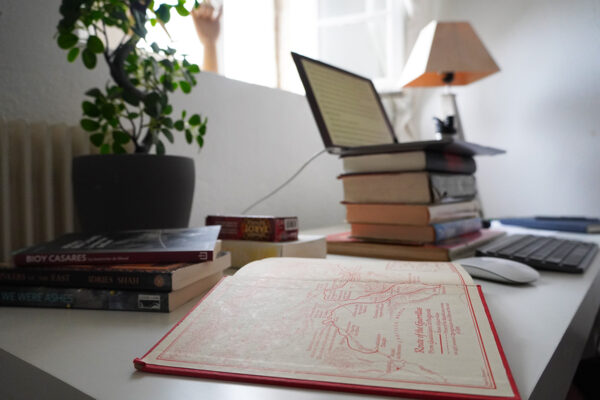
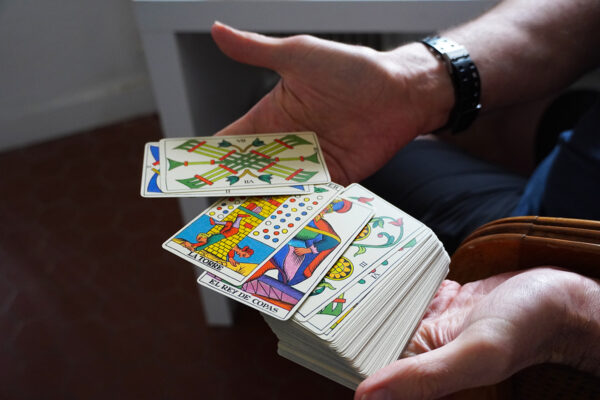
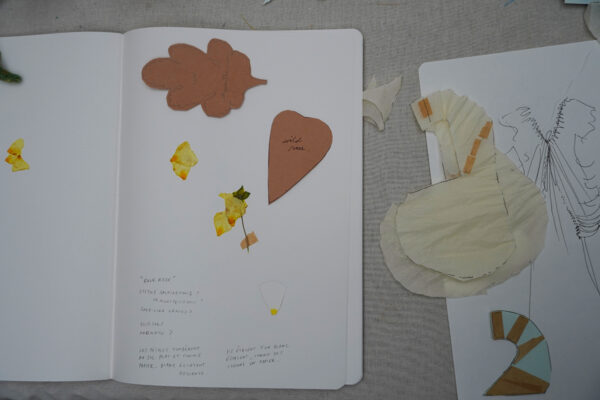
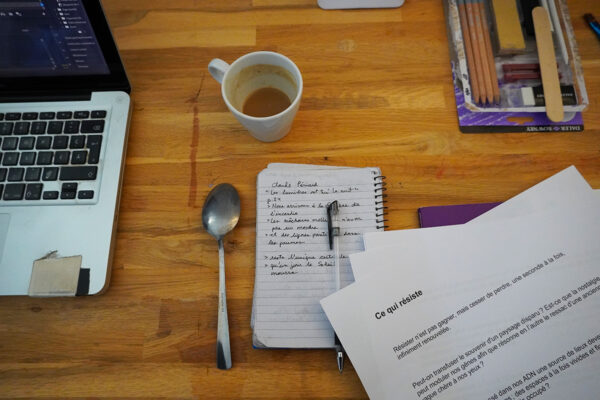
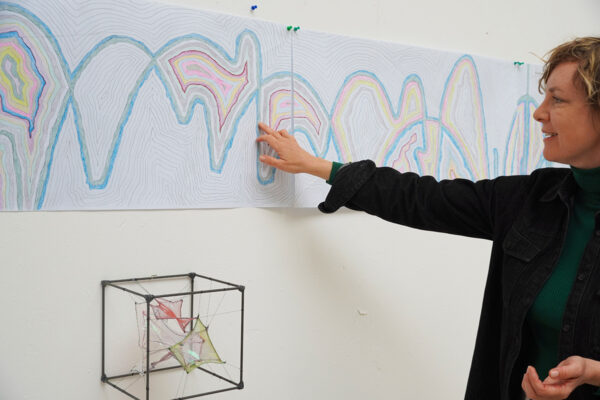
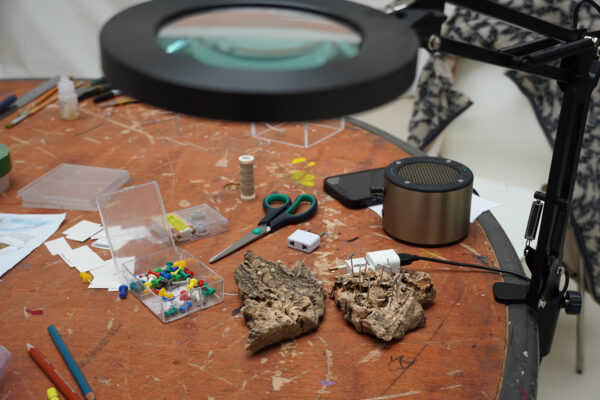
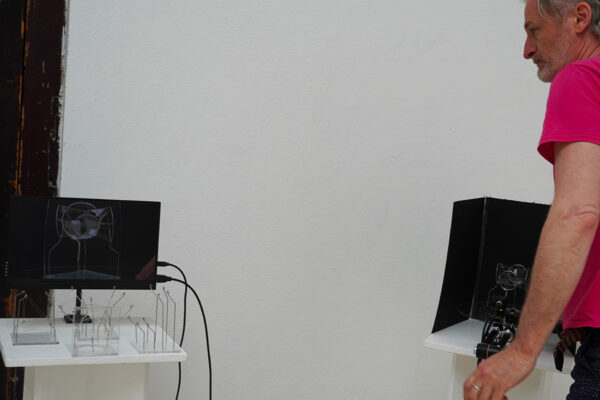
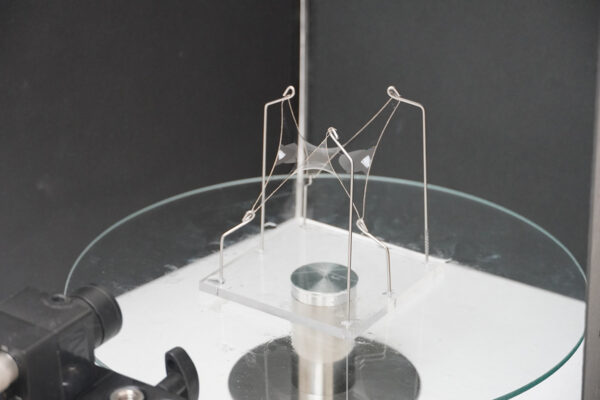
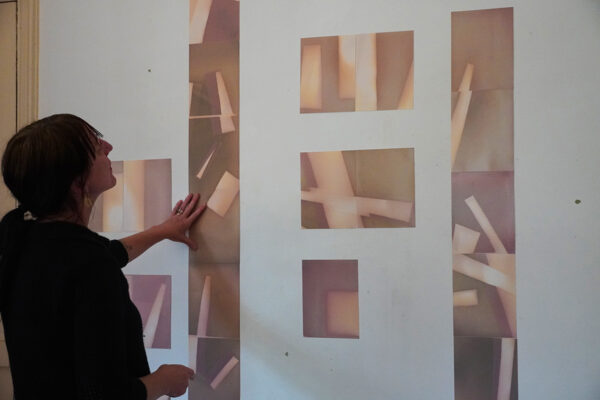
As is often the case, what is unfolding there remains largely invisible. The works are still in progress, the forms still hesitating, searching, shifting. But something is already at work.
Fragments appear, gestures are repeated, intuitions become more precise. A set of discreet processes that will find a moment of sharing during the Open Studio on May 1.
These moments, still unstable, still open, may well form the most vital heart of the place.
![[Icon]](https://www.lnaf.org/wp-content/uploads/2021/04/icon-footer-panel@2x.png)